How To Maintain Your Car After Mobile Wash Service

Importance of Car Maintenance Post Wash Service

After a mobile wash service, maintaining your car is essential for ensuring its longevity and performance. A thorough wash removes dirt and grime, but ongoing maintenance is crucial to keep your vehicle in top shape. Neglecting this care can lead to issues such as paint damage, rust formation, and decreased resale value. Regular maintenance helps in spotting potential problems early, preventing more significant repairs down the line.

Statistics indicate that vehicles with consistent maintenance can last up to 50% longer than those without, making it a smart investment.

Immediate Steps After a Mobile Wash

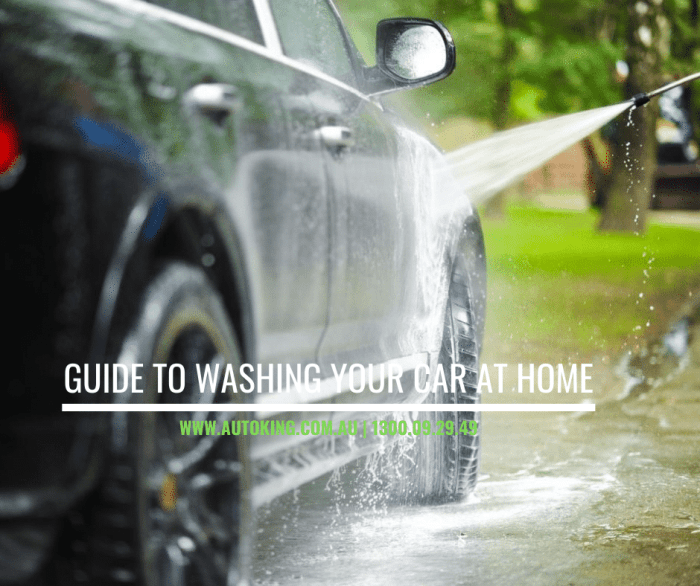
How to Wash Your Car at a Self Service Car Wash? (Easily ...

Once your car has been washed, there are important steps to take to protect its condition. Here’s a checklist of tasks to consider right after your mobile wash service:

  • Dry the vehicle thoroughly to prevent water spots.
  • Inspect the tires for any dirt or debris.
  • Check the undercarriage for any remaining mud or grime.
  • Wipe down any wet surfaces to avoid water stains.
  • Examine the windows for streaks and clean as needed.

Properly drying your vehicle helps prevent unsightly water spots that can mar the finish. Pay special attention to the tires and undercarriage, as these areas might retain moisture and dirt, potentially leading to corrosion.

Regular Maintenance Practices

Creating a routine maintenance schedule following a wash is essential for vehicle upkeep. Here’s a brief overview of how to inspect and clean specific components:

  • Check windshield wipers and replace them if they show signs of wear.
  • Clean headlights using a suitable lens cleaner to ensure bright illumination.
  • Inspect the oil level and top off if necessary.

For a more organized approach, refer to the table below that Artikels the frequency and methods for various maintenance tasks:

Task Frequency Method
Oil Change Every 5,000 miles Professional service or DIY
Tire Rotation Every 6,000 miles Professional service
Brake Inspection Every 10,000 miles Professional service

Protecting Your Vehicle Post-Wash

To maintain the vehicle’s exterior after a wash, it’s crucial to apply protective measures. Waxing or sealing the paint provides a barrier against environmental elements, preventing scratches and fading. Here are some effective methods:

  • Apply a high-quality wax for shine and protection.
  • Use a sealant for longer-lasting durability.
  • Consider ceramic coatings for enhanced resilience.

Recommended products include carnauba wax, polymer sealants, and ceramic coatings specifically designed for automotive finishes.

Interior Maintenance After Mobile Wash

Cleaning and maintaining the interior of your vehicle is just as important as the exterior. A well-kept interior enhances your driving experience and prolongs the lifespan of the upholstery. Here are steps to vacuum and clean effectively:

  • Vacuum seats and carpets meticulously, ensuring to get into crevices.
  • Use upholstery cleaner for stains on fabric seats.
  • Wipe down surfaces with a microfiber cloth and appropriate cleaners.

To maintain the dashboard and electronic components:

  • Regularly dust the dashboard with a soft cloth.
  • Use a gentle cleaner for screens and buttons to avoid damage.
  • Apply protectant to vinyl surfaces to prevent fading and cracking.

Seasonal Considerations for Car Maintenance

Seasonal changes significantly affect car maintenance routines. It’s important to adjust your maintenance strategies depending on the weather conditions:

  • In winter, check the antifreeze levels and tire tread for better traction.
  • During summer, inspect the AC system and ensure proper coolant levels.

Below is a table comparing seasonal maintenance strategies and best practices:

Season Maintenance Task Best Practice
Winter Tire Check Use winter tires
Summer AC Inspection Recharge refrigerant as needed
Fall Battery Check Test battery health

Common Mistakes to Avoid Post-Wash

Many vehicle owners make common errors following a mobile wash that can lead to problems. Addressing these mistakes proactively can save you from costly repairs later. Common errors include:

  • Failing to dry the vehicle properly, leading to water spots.
  • Ignoring tire maintenance after cleaning.
  • Overlooking the need to clean the undercarriage.

To avoid these mistakes, always have a post-wash care routine established. Personal anecdotes highlight the importance of diligent post-wash care; one owner neglected tire checks after a wash, leading to premature wear and eventual tire failure.

Long-term Benefits of Consistent Maintenance

Consistent maintenance following a wash service brings several long-term benefits. Establishing a regular care routine can enhance your vehicle’s performance and increase its resale value significantly. Vehicles that receive regular maintenance can retain up to 70% of their value, whereas those that don’t may depreciate quickly. A comparison reveals that vehicles with consistent upkeep experience fewer breakdowns and operate more efficiently, showcasing the advantages of investing time in your car’s care.

How To Prepare Your Car For Mobile Wash Made Easy

Importance of Preparing Your Car for Mobile Wash

Preparing your car for a mobile wash is crucial for ensuring the best results from the service. When you take the time to prepare, you not only help the washing team but also enhance the longevity of your vehicle’s appearance. A clean car looks great, but more importantly, it helps prevent damage that can accumulate over time due to dirt and grime.Without proper preparation, common issues such as missed spots, ineffective cleaning, and potential damage to the interior can arise.

For instance, leaving personal items inside may lead to them getting damaged or misplaced during the wash. Furthermore, when surfaces are not clear of debris, it can hinder the effectiveness of the wash, resulting in a car that isn’t as clean as it could be.

Cleaning the Interior

Cleaning the interior of your car is a significant step in the preparation process. Start by removing all personal items from the vehicle, including bags, drinks, and any clutter. This not only protects your belongings but also allows the wash team to do their job without obstruction.Next, vacuum the seats and carpets thoroughly, ensuring to reach under the seats and into corners where dirt tends to gather.

Dusting the surfaces, including the dashboard and console, is equally important. For specific interior materials:

  • For leather seats, use a leather cleaner and conditioner to keep the material supple and prevent cracking.
  • Fabric seats can be cleaned with an upholstery cleaner. Spray the cleaner and scrub gently with a brush, then wipe down with a microfiber cloth.

Exterior Pre-Wash Steps

Preparing the exterior is just as vital as the interior. Start by removing any loose dirt and debris from the surface. Use a soft brush or microfiber cloth to gently wipe down the paint, making sure to avoid scratches.When it comes to wheels and tires, they often require special attention. Inspect them for brake dust and grime buildup. A stiff brush can help clean the wheels, while a dedicated tire cleaner will make your tires shine.

Recommended products for pre-wash cleaning include:

  • Foaming car wash soap for gentle surface cleaning.
  • Tire and wheel cleaner for tackling tough grime.
  • Microfiber cloths for drying and polishing.

Preparing Your Vehicle for Different Weather Conditions

Adjusting your car preparation techniques according to the weather is essential. In colder temperatures, for instance, soapy water can freeze, making it difficult to wash effectively. It’s advisable to do pre-wash preparations in a warmer garage space if possible.For extremely hot days, washing your car in the early morning or late afternoon can prevent soap from drying too quickly. If rain is forecasted, consider using a water-repellent solution after the wash to keep the car cleaner for longer.

In sunny conditions, ensuring that the car is shaded while washing can greatly enhance the effectiveness of the wash, preventing water spots.

Communicating with the Mobile Wash Service

Clear communication with your mobile wash team can significantly enhance your washing experience. Key information to share includes details about your vehicle type, any specific areas of concern, and preferences for products used.Designing a checklist of additional services you may want, such as waxing or detailing, can ensure nothing is overlooked. Providing constructive feedback after the wash will help the service improve and cater to your needs better next time.

Safety and Environmental Considerations

Homemade Waterless Car Wash Recipe and Tutorial

Using eco-friendly products during the wash is vital not only for the environment but also for the longevity of your car’s finish. Avoid harsh chemicals that can strip the protective wax layers off your paint.Safety measures when preparing your vehicle include ensuring all windows are closed and keeping the area around your car clear of obstacles. It’s also essential to dispose of any waste materials responsibly, such as used towels or cleaning products.

Post-Wash Maintenance Tips

Maintaining your vehicle’s cleanliness after a mobile wash is key to preserving that freshly cleaned look. Regularly use a quick detailer spray between washes to touch up the paint and remove dust.Investing in protective products like ceramic coatings or sealants can shield your car’s paint from contaminants. Creating a schedule for regular cleaning and detailing, perhaps every few weeks, ensures that your car remains in top shape and extends the effects of the wash.

Affiliate Marketing: A Beginner’s Guide to Earning Money Online

Affiliate marketing has become one of the most popular ways for individuals to earn money online. It offers a unique opportunity for anyone with an internet connection to generate income by promoting products and services they believe in. Whether you’re a blogger, content creator, or entrepreneur, affiliate marketing provides a low-risk entry point into the world of online business.

What is Affiliate Marketing?
Affiliate marketing is a performance-based marketing strategy where affiliates (you, the marketer) earn a commission for driving sales or leads to a company’s product or service. Essentially, you act as a middleman, promoting someone else’s product, and when a customer purchases the product through your unique referral link, you earn a commission.

Affiliate marketing typically involves three key players:

The Merchant: The company or individual that creates and sells the product or service.
The Affiliate: You, the marketer, who promotes the product and refers potential customers.
The Consumer: The person who clicks on the affiliate link and makes a purchase.
In exchange for driving traffic or sales, affiliates are rewarded with a percentage of the sale price or a fixed payment.

How Does Affiliate Marketing Work?
The process of affiliate marketing is straightforward, and it involves several key steps:

Sign Up for an Affiliate Program: First, you’ll need to join an affiliate program. Many companies offer affiliate programs, including large marketplaces like Amazon, ClickBank, and ShareASale. Once you’ve signed up, you’ll be given a unique affiliate link that tracks your referrals.

Promote Products or Services: After obtaining your affiliate link, you can begin promoting products through various channels such as a website, blog, social media, or email marketing. The key is to create valuable content that resonates with your target audience and naturally integrates affiliate links.

Track Sales and Leads: When someone clicks on your affiliate link and completes a purchase or action (such as signing up for a service), the affiliate program tracks the transaction. Depending on the program, you’ll earn either a fixed fee or a percentage of the sale.

Get Paid: Affiliate programs typically pay out commissions on a monthly or quarterly basis. Payment methods vary, but common options include bank transfers, PayPal, or gift cards.

Types of Affiliate Marketing
Unattached Affiliate Marketing: In this model, the affiliate has little or no involvement with the product they are promoting. This is often seen in paid advertising, where affiliates promote products through ads without a personal connection to the brand.

Related Affiliate Marketing: In this case, the affiliate promotes products or services that are related to their niche, audience, or content. For example, a fitness blogger may promote health supplements or workout gear.

Involved Affiliate Marketing: This is where the affiliate has used or believes in the product or service they are promoting. They are more engaged with the product and provide personal recommendations and reviews. This model often generates higher trust and conversions since the affiliate offers genuine experiences with the product.

Why Affiliate Marketing is Popular
Low Start-Up Costs: Unlike starting a traditional business, affiliate marketing requires minimal upfront investment. You don’t need to create your own product or manage inventory, which lowers the financial risks.

Flexibility: Affiliate marketing allows you to work from anywhere and set your own hours. It’s a great option for people who want to earn passive income while working on their own schedule.

Scalability: Once you’ve created a successful affiliate marketing strategy, you can scale it by promoting more products, reaching a wider audience, or creating more content. With consistent effort, affiliate marketing can become a sustainable income source.

Diverse Opportunities: With so many affiliate programs available across various industries, you can promote products that match your interests, whether it’s technology, health, fashion, or travel.

Challenges in Affiliate Marketing
While affiliate marketing offers great potential, it’s not without its challenges. It requires consistent effort, patience, and a solid understanding of your audience. It can take time to build a trusted platform and gain a loyal following that converts into sales. Additionally, staying updated with changing algorithms and marketing strategies can be time-consuming.

Conclusion
Affiliate marketing is an excellent way to make money online, whether you’re looking to earn a side income or build a full-time business. By joining affiliate programs, promoting products that resonate with your audience, and optimizing your marketing efforts, you can generate a steady stream of income from your online platforms. With dedication and the right strategies, affiliate marketing can be a rewarding and scalable venture.