Best Natural Ingredients for Skincare Routines at Home
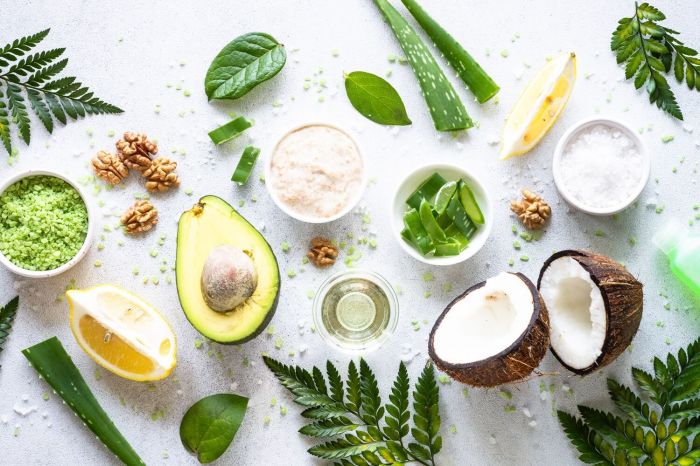
Best natural ingredients for skincare routines at home – Exploring the world of natural skincare is not just a trend; it’s a lifestyle choice that reflects our growing awareness of what we put on our skin. By opting for natural ingredients, we embrace products that can be gentler, safer, and often more effective than their commercial counterparts. At-home skincare routines have gained popularity, allowing individuals to customize their beauty treatments using simple ingredients found in their kitchens.
This shift towards eco-friendly skincare practices is also a testament to our collective commitment to sustainability and health.
Introduction to Natural Skincare
Natural skincare involves the use of plant-based ingredients that are free from synthetic chemicals and additives. The significance of incorporating these ingredients into our skincare routine lies in their potential to nourish and heal the skin without the harsh side effects associated with many commercial products. At-home skincare provides the advantage of customization, allowing individuals to tailor treatments to their specific skin needs while ensuring transparency about what they are using.
Additionally, with the rise of eco-conscious consumers, there’s a growing trend towards products that are not only beneficial for skin health but also sustainable for the planet.
Essential Natural Ingredients
When it comes to natural skincare, certain ingredients stand out for their remarkable properties and benefits. Here’s a closer look at some of the top natural ingredients you should consider incorporating into your routine:
- Aloe Vera: Known for its soothing and hydrating properties, aloe vera is excellent for calming irritated skin and is rich in vitamins and minerals.
- Coconut Oil: This versatile oil is a natural moisturizer that can help with dry skin, as it penetrates deeply and provides long-lasting hydration.
- Honey: With its natural antibacterial properties, honey is a great ingredient for acne-prone skin and also acts as a humectant to draw moisture to the skin.
- Tea Tree Oil: Renowned for its antiseptic qualities, tea tree oil is effective for treating blemishes and preventing further breakouts.
- Jojoba Oil: Similar to the skin’s natural oils, jojoba oil helps in regulating sebum production and is suitable for all skin types.
These ingredients can be sourced from health food stores or online retailers, and many can be easily found in your own kitchen, making them accessible for everyone.
DIY Skincare Recipes
Creating your own skincare products at home can be both fun and rewarding. Below are some simple DIY recipes catering to various skin concerns:
For Oily Skin
- Tea Tree Oil Face Wash: Mix 1 tablespoon of honey with 2-3 drops of tea tree oil. Massage onto the face for 1-2 minutes and rinse with warm water. Prep time: 5 minutes.
For Dry Skin
- Coconut Oil Moisturizer: Melt a small amount of coconut oil in your hands and apply evenly to the face. Prep time: 2 minutes.
For Sensitive Skin
- Aloe Vera Soothing Gel: Extract fresh aloe vera gel from the leaf and apply directly to the skin. Prep time: 5 minutes.
These recipes are straightforward and utilize natural ingredients, making them a great addition to your skincare routine.
Understanding Skin Types
Choosing the right natural ingredients starts with understanding your skin type. Different skin types require different care and products. Here’s how various skin types interact with natural ingredients:
- Oily Skin: Ingredients like clay and tea tree oil can help control excess sebum and prevent breakouts.
- Dry Skin: Hydrating ingredients such as honey and coconut oil provide essential moisture and nourishment.
- Sensitive Skin: Soothing ingredients like aloe vera and chamomile can help calm irritation and redness.
Identifying your skin type is essential for tailoring your skincare routine effectively. Observing how your skin reacts to various products can guide you in selecting the right natural ingredients.
Safety and Sensitivity
While natural ingredients are often gentler than synthetic ones, it’s still important to ensure they are safe for your skin. Conducting patch tests before fully incorporating new ingredients into your routine can help prevent adverse reactions. Here are some tips for safety:
- Apply a small amount of the ingredient to an inconspicuous area of your skin, such as the inside of your wrist, and wait 24 hours to see if any irritation occurs.
- Be aware of common allergens such as nuts, essential oils, and certain botanicals that may cause sensitivity in some individuals.
- Gradually incorporate new products to observe how your skin reacts over time.
Sustainability and Sourcing
The environmental impact of skincare production is a growing concern. Sourcing ingredients sustainably is crucial in reducing waste and protecting ecosystems. Here are some ways to ensure you choose ethically sourced products:
- Research brands that prioritize sustainable farming practices and fair trade.
- Look for certifications such as organic or cruelty-free on product labels.
- Support local businesses that use eco-friendly packaging and ingredients.
These practices contribute to a healthier planet while allowing you to maintain a conscientious skincare routine.
Additional Resources and Community, Best natural ingredients for skincare routines at home
Continuing your education on natural skincare can enhance your routines and connect you with like-minded individuals. Here are some recommended resources:
- Books: Look for titles focused on herbalism or homemade skincare.
- Websites: Explore reputable websites dedicated to natural beauty and skincare tips.
- Forums: Join online communities or social media groups where members share their experiences and advice on natural skincare.
Engaging with others in the natural skincare community can provide support and inspiration as you navigate your journey towards healthier skin care practices.