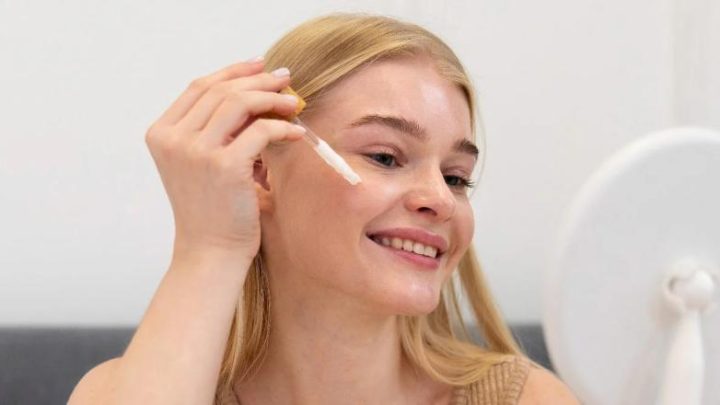

What to Look for in Anti-Aging Skincare Products
What to look for in anti-aging skincare products – Starting an anti-aging skincare routine early can make a remarkable difference in how your skin ages. With time, our skin experiences various changes, from decreased elasticity to increased dryness and the emergence of fine lines. Understanding these changes is crucial for making informed decisions about skincare products that address aging concerns effectively.Aging affects skin health in numerous ways, leading to concerns such as wrinkles, sagging, uneven tone, and dryness.
According to the American Academy of Dermatology, by the age of 30, the skin’s natural collagen production begins to decline, which can result in the visible signs of aging. Additionally, statistics show that approximately 85% of individuals over 50 years old experience some form of skin damage, emphasizing the importance of a proactive approach to skincare.
Understanding the Importance of Anti-Aging Skincare
The significance of starting an anti-aging regimen early cannot be overstated. As the skin ages, it undergoes various changes that affect its health and appearance. The initial steps in an anti-aging routine can help delay the onset of visible aging signs.
- Starting early helps maintain skin elasticity and hydration levels.
- Regular use of anti-aging products can prevent deeper wrinkles from forming.
- Addressing skin issues like sun damage can enhance overall skin appearance.
Key Ingredients to Look For in Anti-Aging Products
When exploring anti-aging products, it’s essential to focus on ingredients backed by scientific research. Certain components have proven effectiveness in combating the signs of aging.
- Retinol: A derivative of vitamin A, retinol is known for its ability to speed up cell turnover, improve skin texture, and reduce the appearance of fine lines.
- Peptides: These small chains of amino acids help stimulate collagen production, promoting firmer and more youthful skin.
- Antioxidants: Ingredients like vitamin C and E protect the skin from free radical damage caused by environmental stressors, enhancing overall skin health.
Skin Type Considerations

Choosing the right anti-aging products requires an understanding of your skin type. Tailoring a regimen based on skin characteristics can optimize results.
- For oily skin: Look for lightweight, oil-free formulations to prevent clogging pores.
- For dry skin: Rich creams with hydrating ingredients like hyaluronic acid can provide necessary moisture.
- For combination skin: Consider products that balance oil and hydration, ensuring all areas receive adequate care.
Understanding Product Labels and Claims
Deciphering product labels is crucial in selecting effective anti-aging skincare. Many products use marketing terms that can be misleading.
- Be cautious of vague terms like “anti-aging” without specific ingredient mentions.
- Look for clinical studies or evidence supporting efficacy claims.
- Understanding ingredient concentrations can also help determine product effectiveness.
| Ingredient | Efficacy Claim |
|---|---|
| Retinol | Reduces fine lines and improves texture. |
| Peptides | Boosts collagen production and skin firmness. |
| Vitamin C | Brightens skin and protects against UV damage. |
The Role of Sunscreen in Anti-Aging
Sunscreen is a critical component of an anti-aging routine. Protecting the skin from UV damage can significantly reduce premature aging signs.
- UV exposure accelerates skin aging, leading to wrinkles and age spots.
- Statistics indicate that regular sunscreen use can decrease the risk of skin cancer by up to 50%.
- Choose a broad-spectrum sunscreen with an SPF of at least 30 for optimal protection.
Application Techniques for Maximum Effectiveness, What to look for in anti-aging skincare products
Proper application techniques can enhance the effectiveness of anti-aging products.
- Always cleanse your skin before applying any products.
- Layer products from thinnest to thickest consistency for optimal absorption.
- Use gentle patting motions rather than rubbing to avoid irritation.
Evaluating Product Efficacy
Assessing the effectiveness of anti-aging products is essential for long-term skincare success. Consistent usage plays a significant role in achieving desired results.
- Track changes in your skin over several weeks to identify improvements.
- Documenting your skincare routine can help you analyze what works best.
- Be patient; visible results may take time depending on the product and skin type.
Common Misconceptions About Anti-Aging Skincare
There are many misconceptions regarding anti-aging skincare that can lead consumers astray. Understanding these myths helps in making informed choices.
- Many believe that only older individuals need anti-aging products, but starting young can be beneficial.
- Cosmetic solutions are often confused with medical treatments, which can have more significant results.
- Lifestyle choices, like diet and hydration, significantly impact skin aging.