

Signs of Hormonal Imbalance in Women: What Are The Signs Of Hormonal Imbalance In Women?
What are the signs of hormonal imbalance in women? – Hormonal imbalance in women can manifest through a variety of symptoms that may differ significantly depending on various life stages. Understanding these signs is crucial for recognizing when to seek help. Hormones such as estrogen, progesterone, and testosterone play vital roles in regulating bodily functions, and any fluctuations can lead to noticeable changes in health and well-being.
Common Symptoms of Hormonal Imbalance, What are the signs of hormonal imbalance in women?
Women experiencing hormonal imbalances may notice a range of symptoms, which can include:
- Irregular menstrual cycles
- Fatigue and sleep disturbances
- Weight fluctuations
- Mood swings or irritability
- Skin changes, such as acne or dryness
- Hair loss or excessive hair growth
These symptoms are influenced by hormonal changes associated with menstruation, pregnancy, and menopause. For instance, during menstruation, fluctuations in estrogen and progesterone can lead to mood swings and physical discomfort. During pregnancy, hormonal shifts are significant, often causing fatigue and nausea. Menopause brings another set of hormonal changes that can lead to hot flashes and emotional changes.
Physical Symptoms of Hormonal Imbalance
Physical changes are often the most apparent indicators of hormonal issues. Symptoms such as weight gain or loss can signal underlying hormonal imbalances, impacting overall health.Skin changes are also common, with fluctuations in hormones leading to increased oil production and acne or, conversely, dryness and irritation.
- Weight gain or loss
- Acne or oily skin
- Dry skin
- Changes in hair texture
- Facial or body hair growth
- Thinning hair
Emotional and Mental Health Effects
The effects of hormonal imbalance extend beyond physical symptoms, significantly impacting mood and mental health. Women may experience heightened anxiety, depression, or mood swings during periods of hormonal fluctuation.Conditions such as premenstrual syndrome (PMS) and postpartum depression are closely linked to hormonal changes. Understanding the correlation between emotional symptoms and hormonal levels can provide insight into managing these feelings.
| Emotional Symptoms | Associated Hormonal Levels |
|---|---|
| Mood swings | Fluctuating estrogen |
| Anxiety | Low progesterone |
| Depression | Imbalanced serotonin levels |
Reproductive Health Symptoms
Hormonal imbalance can lead to various reproductive health issues, including irregular periods, which can be a sign of underlying conditions such as polycystic ovary syndrome (PCOS) or thyroid issues.Additionally, hormonal changes can affect fertility, making conception more challenging for some women. Conditions like endometriosis and uterine fibroids are also linked to hormonal imbalances, leading to painful periods and complications in reproductive health.
Lifestyle Factors Influencing Hormonal Balance
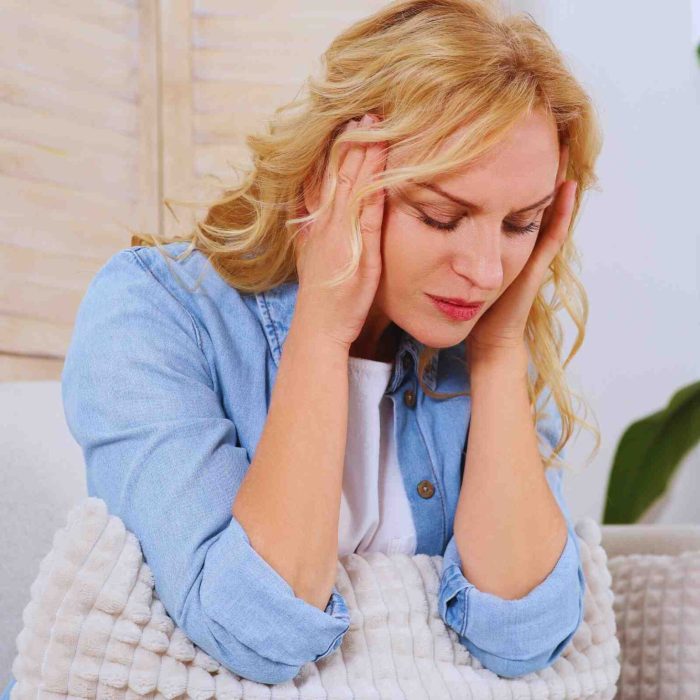
Several lifestyle factors can contribute to hormonal imbalance. Diet plays a critical role in hormonal health, with certain foods supporting balance while others can disrupt it. Regular exercise and stress management techniques are crucial for maintaining hormonal equilibrium.Some lifestyle choices that can lead to imbalance include:
- Poor diet, high in sugar and processed foods
- Lack of physical activity
- High stress levels
In contrast, incorporating specific foods can help support hormonal health.
| Foods Supporting Hormonal Balance | Foods Disrupting Hormonal Balance |
|---|---|
| Leafy greens | Processed sugars |
| Healthy fats (avocados, nuts) | Refined carbohydrates |
| Lean proteins | Trans fats |
Diagnostic Methods
Diagnosing hormonal imbalance often involves several testing methods, including blood tests to measure hormone levels. Tracking symptoms alongside menstrual cycles can provide valuable insights for healthcare professionals.Common medical professionals involved in the diagnosis process include:
- Gynecologists
- Endocrinologists
- Primary care physicians
Understanding the importance of accurate diagnosis can lead to more effective treatment options.
Treatment Options
Managing hormonal imbalance may involve a combination of conventional treatment methods and natural remedies. Medications such as hormonal birth control can help regulate hormone levels, while lifestyle changes can also alleviate symptoms.Some common treatment options include:
| Treatment Method | Effectiveness |
|---|---|
| Hormonal medications | High |
| Natural supplements | Variable |
| Lifestyle changes | Moderate to high |
Preventive Measures
Maintaining hormonal balance is essential for overall health, and several strategies can help achieve this. Regular health check-ups play a crucial role in monitoring hormonal health and preventing potential issues.Daily habits that promote hormonal health include:
- Eating a balanced diet rich in whole foods
- Engaging in regular physical activity
- Prioritizing sleep and stress management